
Bridging the Gap Between Perception and Reality
Overview
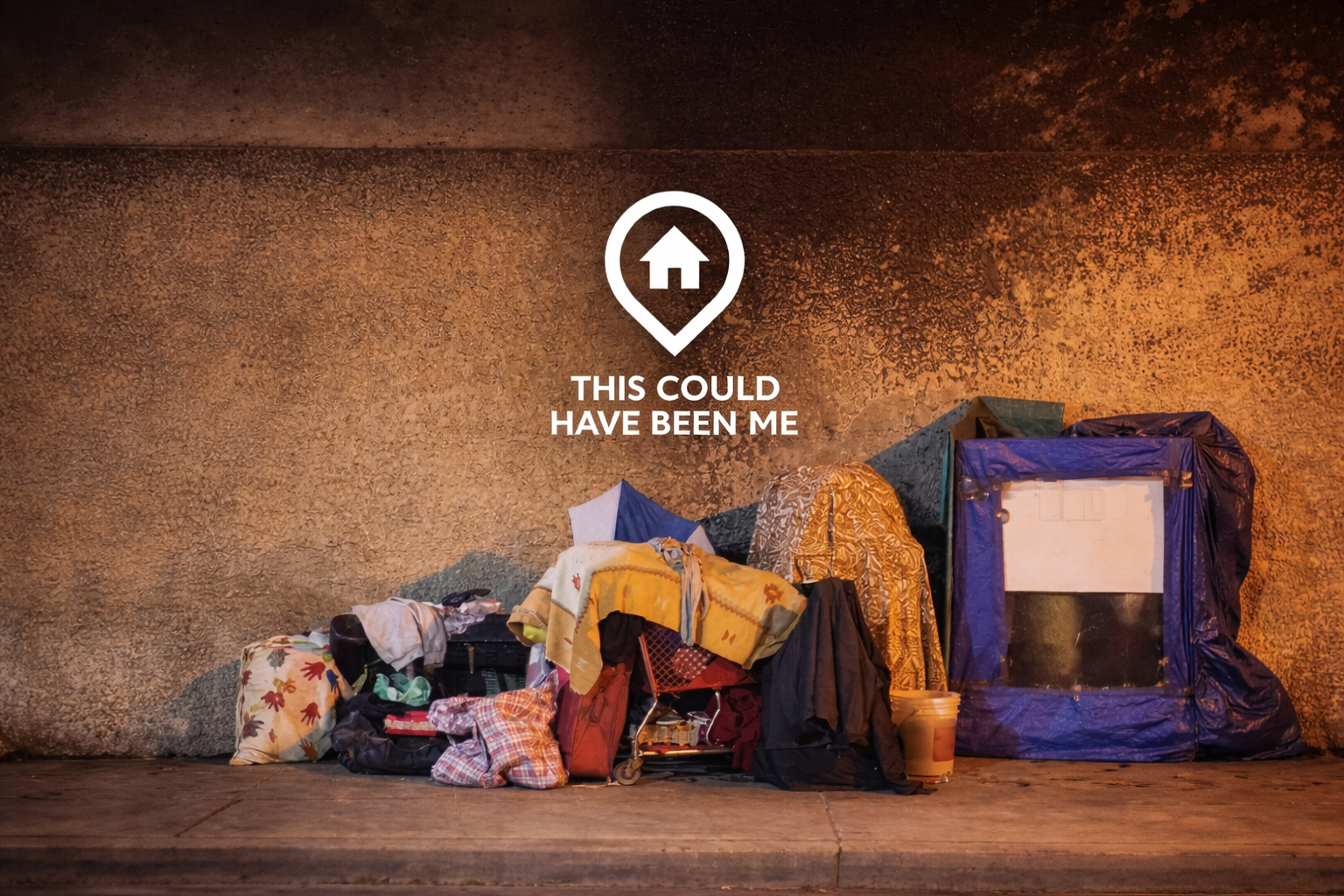
Streetohome is a Vancouver-based nonprofit focused on addressing homelessness through coordinated community support, housing initiatives, and long-term solutions.
While public awareness of homelessness is high, understanding is often shallow—shaped by assumptions, oversimplifications, and distance.
The opportunity was not to raise awareness.
It was to bridge the gap between what people think homelessness is,
and what it actually is.
and what it actually is.


The Challenge
Homelessness is frequently reduced to a single, visible outcome: lack of housing.
But housing is not the root issue – it is the result.
But housing is not the root issue – it is the result.
This creates a critical disconnect:
• The public sees a surface-level problem
• The reality is layered, systemic, and deeply human
• The reality is layered, systemic, and deeply human
Traditional messaging often reinforces this gap by:
• Oversimplifying the issue into quick, transactional solutions
• Or presenting it in ways that feel overwhelming and unsolvable
• Or presenting it in ways that feel overwhelming and unsolvable
Streetohome needed to reframe the conversation:
From “How do we house people?”
To “Why are people becoming homeless in the first place?”
To “Why are people becoming homeless in the first place?”


The Insight
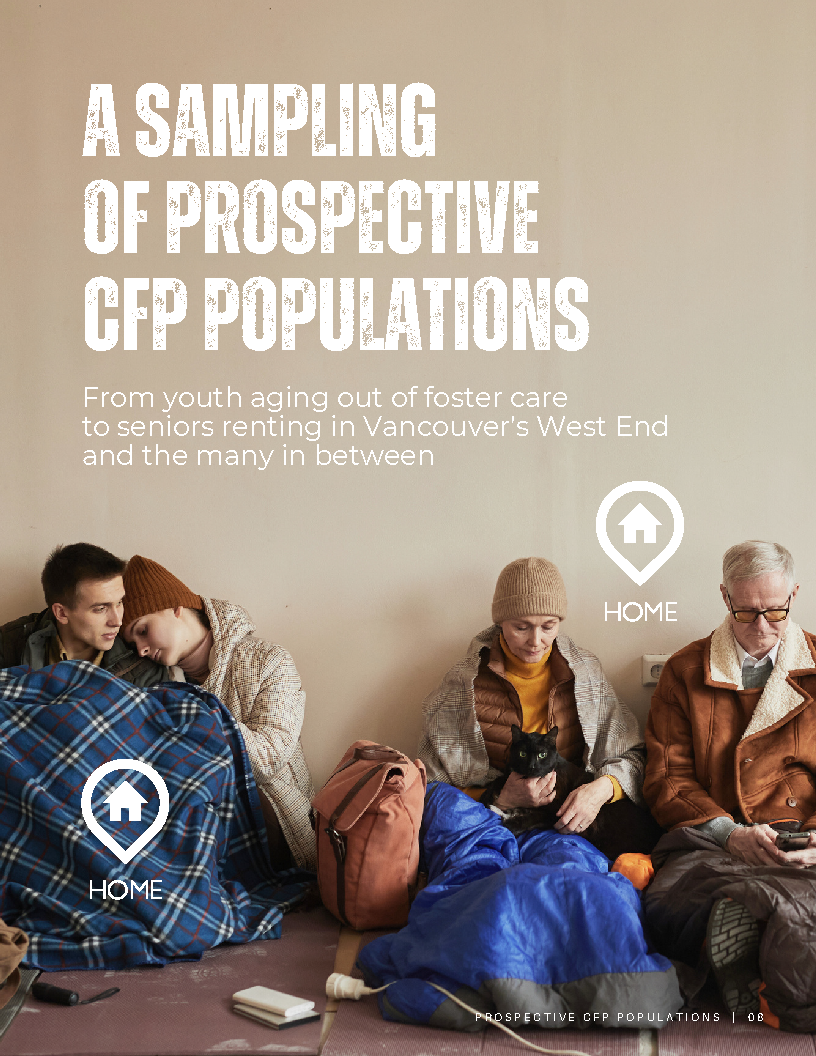
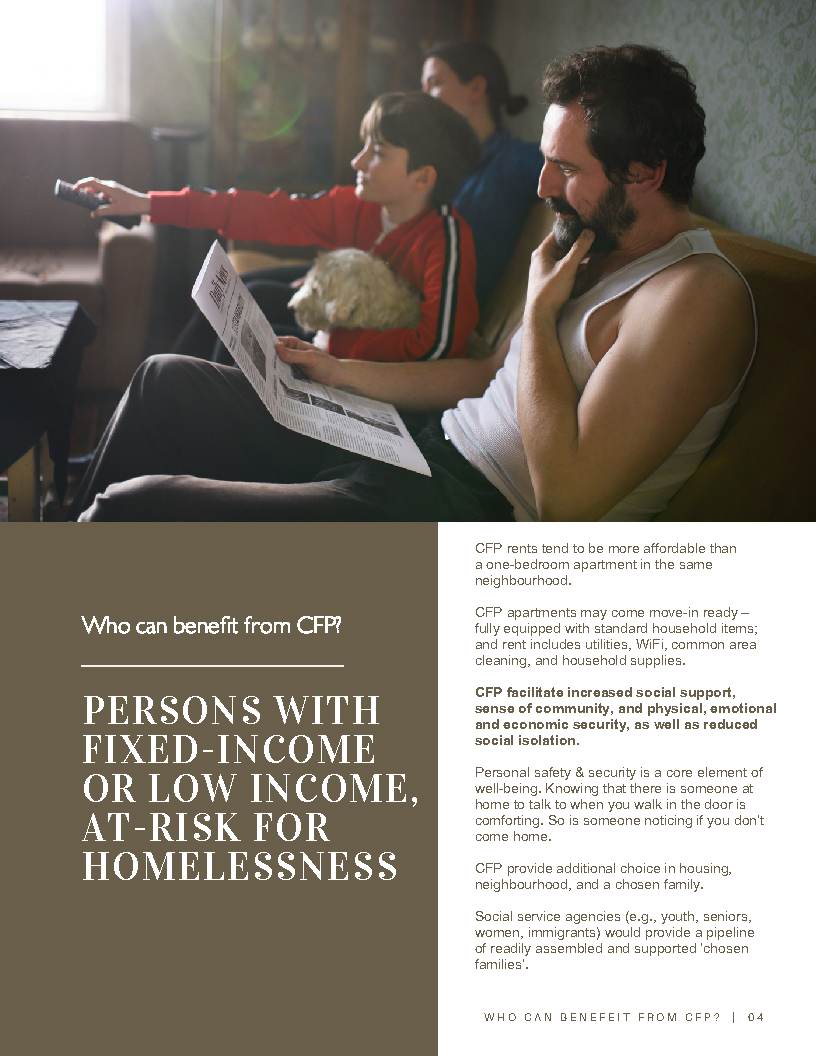
People are willing to care—but they need clarity to engage meaningfully.
When homelessness is framed only as a housing issue, the solution appears simple.
When the deeper causes are revealed – mental health, trauma, systemic barriers,
economic instability – the path forward becomes more complex, but also more real.
economic instability – the path forward becomes more complex, but also more real.
True engagement happens when people understand the problem at its root.
The Approach
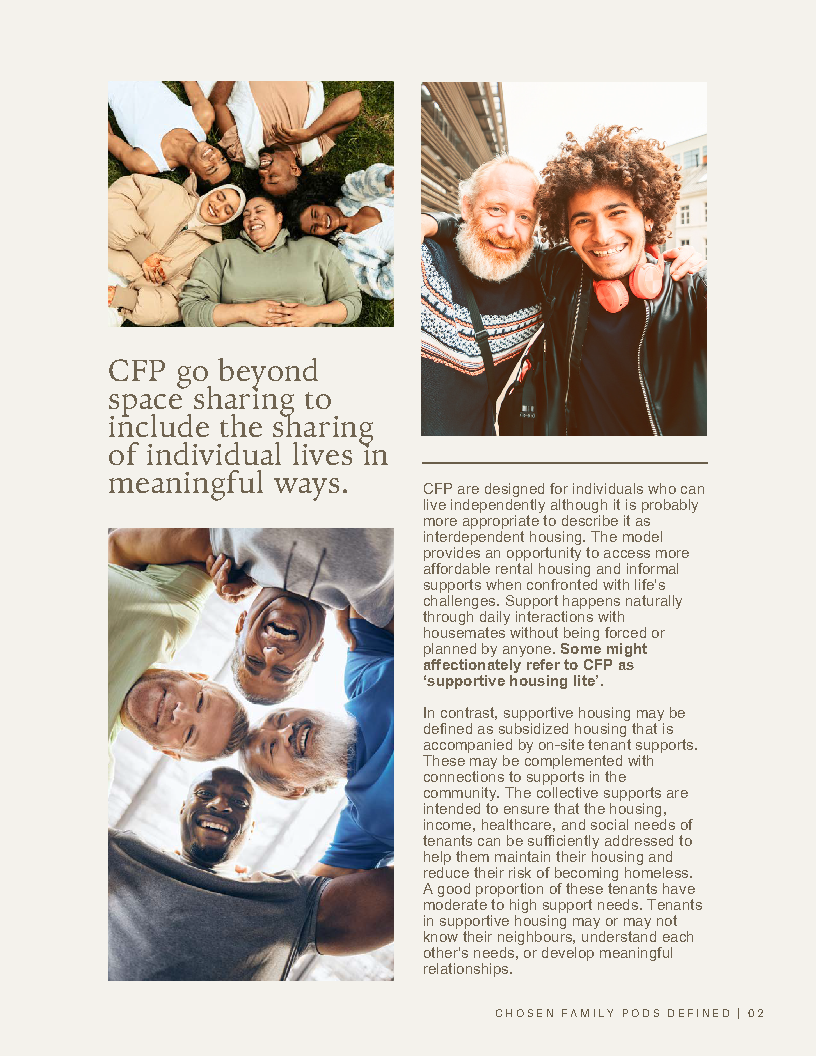
The work focused on building a narrative framework that shifts perception:
From: Surface-level symptoms & Simplified solutions
To: Root causes & Long-term, human-centered support systems
To: Root causes & Long-term, human-centered support systems
This meant creating a communication system that could:
• Educate without overwhelming
• Humanize without exploiting
• Clarify complexity without reducing truth
• Humanize without exploiting
• Clarify complexity without reducing truth
Every element – visuals, messaging, and structure – was designed to guide the audience toward a deeper understanding of the issue.


The Work
A series of campaign and communication materials were developed
to support this shift in perspective, including:
to support this shift in perspective, including:
• Narrative-driven campaign concepts focused on root causes
• Visual storytelling that connected individual experiences to systemic realities
• Print and digital collateral designed for clarity and accessibility
• Messaging frameworks that reframed homelessness as a cycle to be understood,
not just a condition to be solved
• Visual storytelling that connected individual experiences to systemic realities
• Print and digital collateral designed for clarity and accessibility
• Messaging frameworks that reframed homelessness as a cycle to be understood,
not just a condition to be solved
The work intentionally moved away from:
👉 “Put someone in a home”
And toward:
👉 “Understand what led them here—and how we address it together”
And toward:
👉 “Understand what led them here—and how we address it together”
The Outcome
The result was a more grounded and effective
communication approach that:
communication approach that:
• Helped audiences better understand the complexity behind homelessness
• Shifted perception from symptom-based thinking to root-cause awareness
• Strengthened emotional connection while maintaining dignity and respect
• Created clearer pathways for meaningful, long-term engagement
• Shifted perception from symptom-based thinking to root-cause awareness
• Strengthened emotional connection while maintaining dignity and respect
• Created clearer pathways for meaningful, long-term engagement
KEY TAKEAWAY
The result was a more grounded and effective communication approach that:
Homelessness is not solved by housing alone.
It is addressed by understanding the conditions that lead to it — and building systems
that support people long before and long after they reach the street.
that support people long before and long after they reach the street.

My Role
Creative Director, Brand Strategist
• Led concept development and narrative direction
• Reframed the core message around root causes and systemic understanding
• Directed visual and communication strategy across campaign materials
• Ensured alignment between storytelling, design, and audience impact
• Reframed the core message around root causes and systemic understanding
• Directed visual and communication strategy across campaign materials
• Ensured alignment between storytelling, design, and audience impact
What This Work Represents
This project reflects a central principle in my work:
The most important problems are rarely what they appear to be on the surface.
Real impact comes from helping people see beyond the obvious, and giving them a clearer way to understand, connect, and respond.